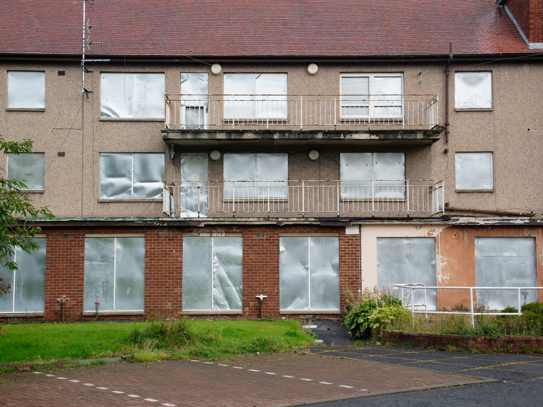
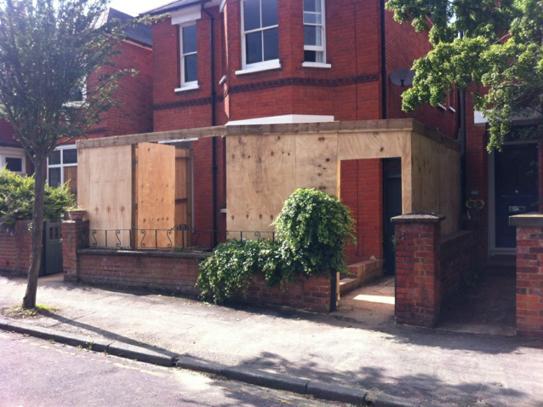
Building deterioration has been identified as the issue most frequently reported to have caused the biggest problem at vacant commercial properties, according to research commissioned by SafeSite Facilities.
The research was conducted by Censuswide among 350 UK commercial property owners aged 25 and over with some responsibility for security decisions.
Nearly twice the proportion who identified water damage (11.1%).
Building deterioration ranks above theft, trespassing and vandalism
Building deterioration was selected by 22% of respondents. Water damage (11.1%), trespassing (9.4%), pest infestations (8.3%) and metal or cable theft (7.7%) completed the five most frequently selected issues.
| Response | Percentage |
|---|---|
| Building deterioration | 22.0% |
| Water damage | 11.1% |
| Trespassing | 9.4% |
| Pest infestations | 8.3% |
| Metal or cable theft | 7.7% |
| Theft | 7.1% |
| Squatting | 6.3% |
| Arson or fire damage | 6.0% |
| Anti-social behaviour | 4.9% |
| Fly-tipping | 4.9% |
| Vandalism or graffiti | 4.3% |
| None of the above | 8.0% |
Source: Censuswide research commissioned by SafeSite Facilities, May 2026. Overall survey sample: 350 UK commercial property owners.
More than a quarter experienced building deterioration in the past 12 months
Building deterioration was also the most frequently reported issue experienced at a vacant property during the previous 12 months. Metal or cable theft, anti-social behaviour and pest infestations followed closely behind.
| Response | Percentage |
|---|---|
| Building deterioration | 25.7% |
| Metal or cable theft | 24.9% |
| Anti-social behaviour | 24.0% |
| Pest infestations | 20.6% |
| Water damage | 20.3% |
| Trespassing | 18.6% |
| Squatting | 18.3% |
| Arson or fire damage | 18.3% |
| Fly-tipping | 18.3% |
| Vandalism or graffiti | 17.1% |
| Theft | 15.7% |
| None of the above | 5.7% |
| N/A – I haven’t had a vacant property in the past 12 months | 0.3% |
Source: Censuswide research commissioned by SafeSite Facilities, May 2026. Overall survey sample: 350 UK commercial property owners. Respondents could select more than one answer, so the results do not total 100%.
Nearly one in five inspect vacant properties less than weekly or only when an issue is reported
Combined share of respondents reporting inspections less than weekly or only when an issue is reported.
Most respondents reported inspections at least weekly. Without regular checks, water ingress, damaged access points and other changes in building condition can go unnoticed.
| Response | Percentage |
|---|---|
| Daily | 14.0% |
| Less than daily, more than weekly | 19.7% |
| Weekly | 47.1% |
| Less than weekly, more than monthly | 15.4% |
| Monthly | 3.4% |
| Less than once a month | 0.0% |
| Only when an issue is reported | 0.3% |
| N/A – No inspections are done | 0.0% |
| Unsure | 0.0% |
Source: Censuswide research commissioned by SafeSite Facilities, May 2026. Overall survey sample: 350 UK commercial property owners.
What the findings show
The risks associated with vacant commercial property extend beyond criminal activity. Building deterioration was both the issue most frequently identified as having caused the biggest problem and the issue most commonly experienced during the previous 12 months.
A small leak, damaged access point, blocked drain or emerging pest problem can become more serious if a building is not inspected and maintained. For property owners, this can mean additional repair costs and delays to refurbishment or reoccupation.
Taken together, the findings underline the value of managing an empty building as an active asset, rather than focusing solely on preventing unauthorised access.
How can commercial property owners reduce the risk of building deterioration?
Practical advice from SafeSite Facilities
An effective protection strategy should consider the condition of the building, its surroundings, the expected vacancy period and its intended future use.
Establish a regular inspection schedule
Agree a schedule based on the property’s condition, risk profile and insurance requirements. Record findings and allocate responsibility for follow-up.
Identify early signs of deterioration
Check for visible signs of water ingress, damaged roofing, blocked drainage, damp and pest activity. Arrange specialist maintenance where required.
Secure vulnerable access points
Steel security screens and doors can help protect vulnerable openings against unauthorised access and damage associated with break-ins.
Maintain visibility between inspections
Monitored alarms and CCTV can help identify unauthorised activity between physical visits.
Keep the property and surroundings clear
Arrange safe clearance of accumulated waste, fly-tipping and hazardous materials to reduce associated risks.
Review the wider property perimeter
Suitable fencing, hoarding and vehicle access restrictions can help reduce the risk of trespassing and illegal dumping.
Security measures should complement, rather than replace, physical inspections and planned building maintenance.
Protect your property before risks become costs.
SafeSite Facilities can help you assess vulnerabilities and coordinate appropriate vacant property protection, including inspections, physical security, monitored alarms and clearance services.
More findings from our vacant commercial property research
About the research
The research was conducted by Censuswide on behalf of SafeSite Facilities among a sample of 350 UK commercial property owners aged 25 and over with some responsibility for security decisions. The data was collected between 13 and 21 May 2026.
Censuswide is a member of the Market Research Society and the British Polling Council, and a signatory to the Global Data Quality Pledge. It adheres to the MRS Code of Conduct and ESOMAR principles.