


Subscribe to our newsletter
Sign up for the latest news & offers from SafeSite
Quick and competitive quotes. Nationwide coverage
Quick quotes. Nationwide coverage
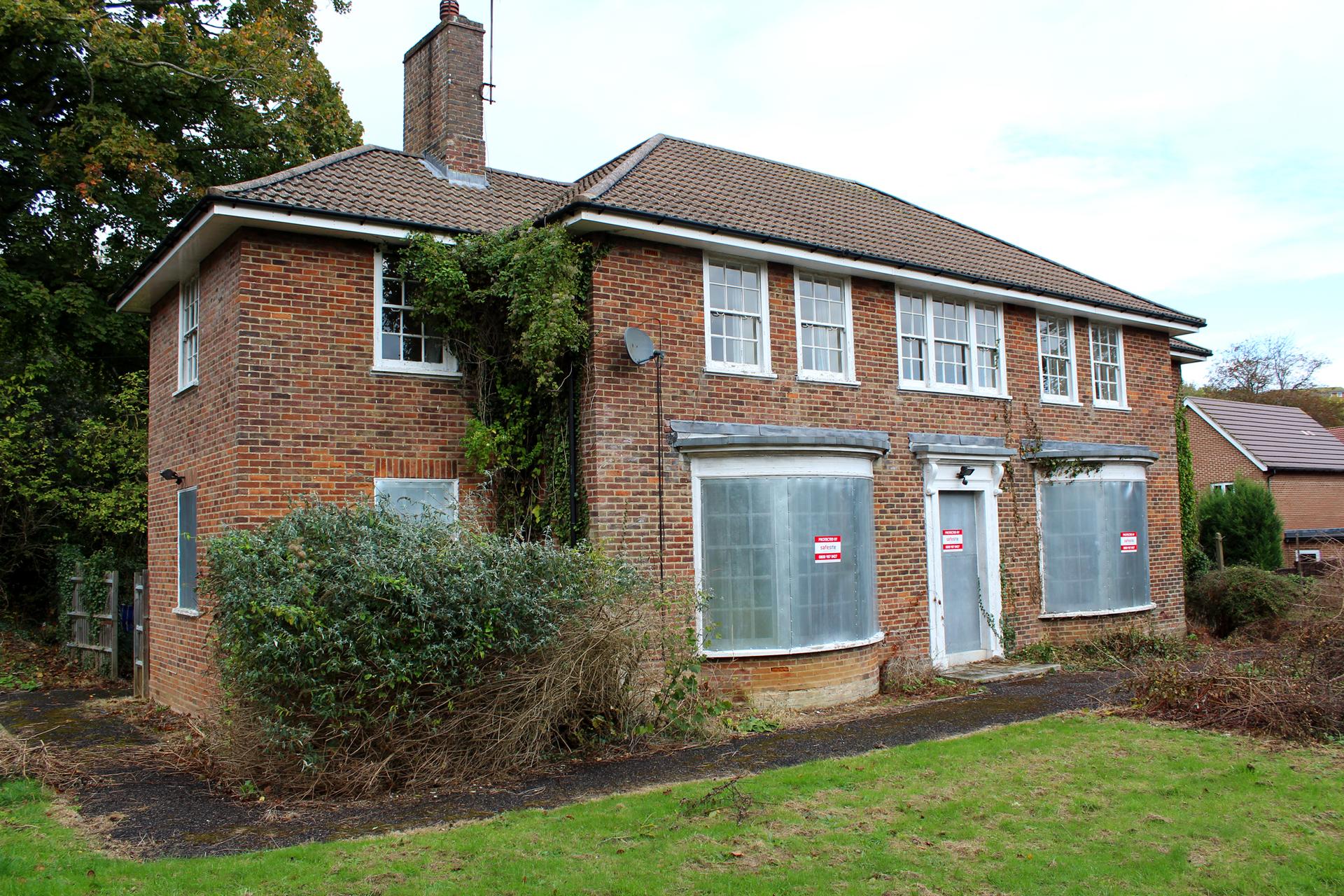
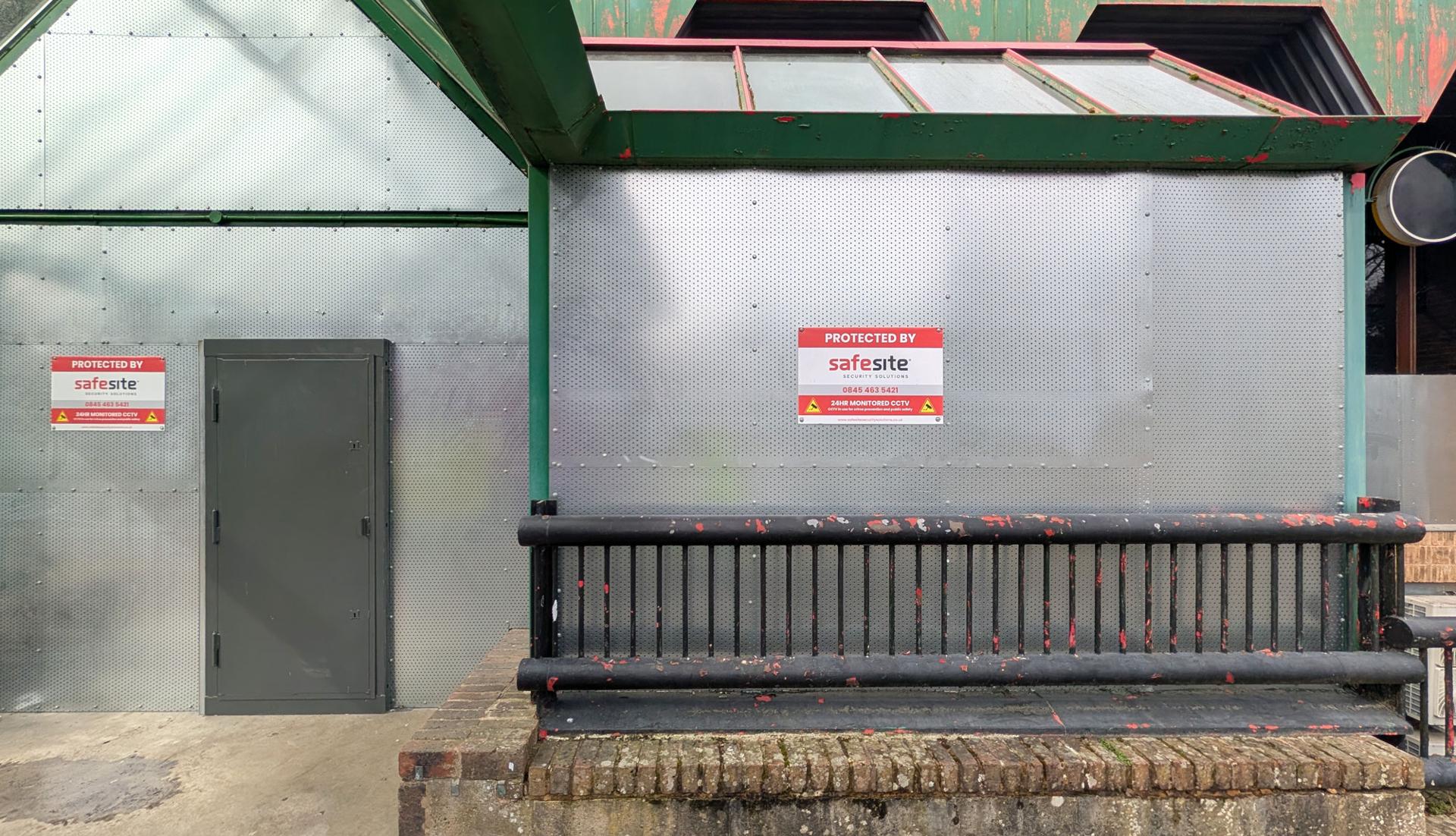
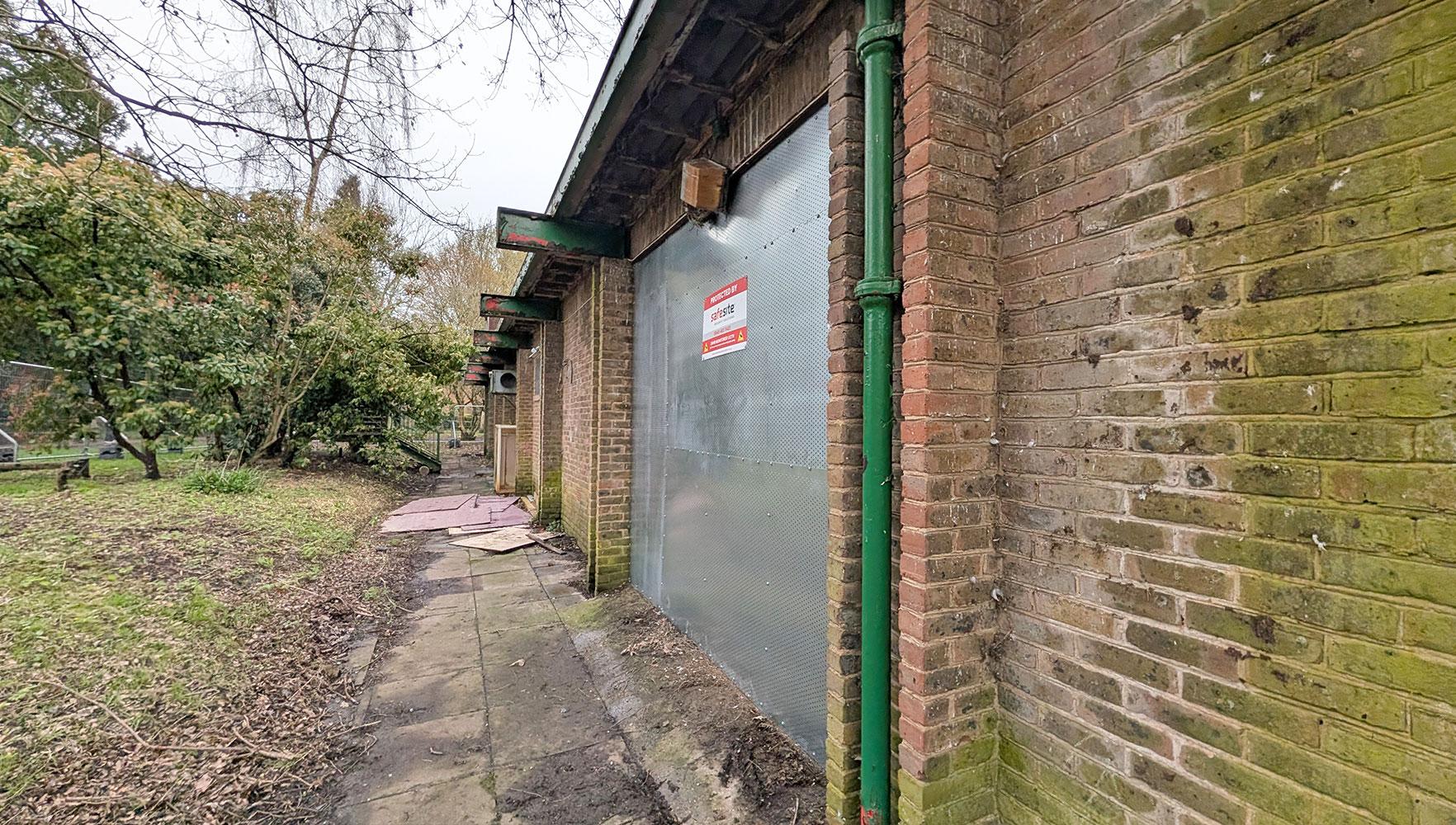
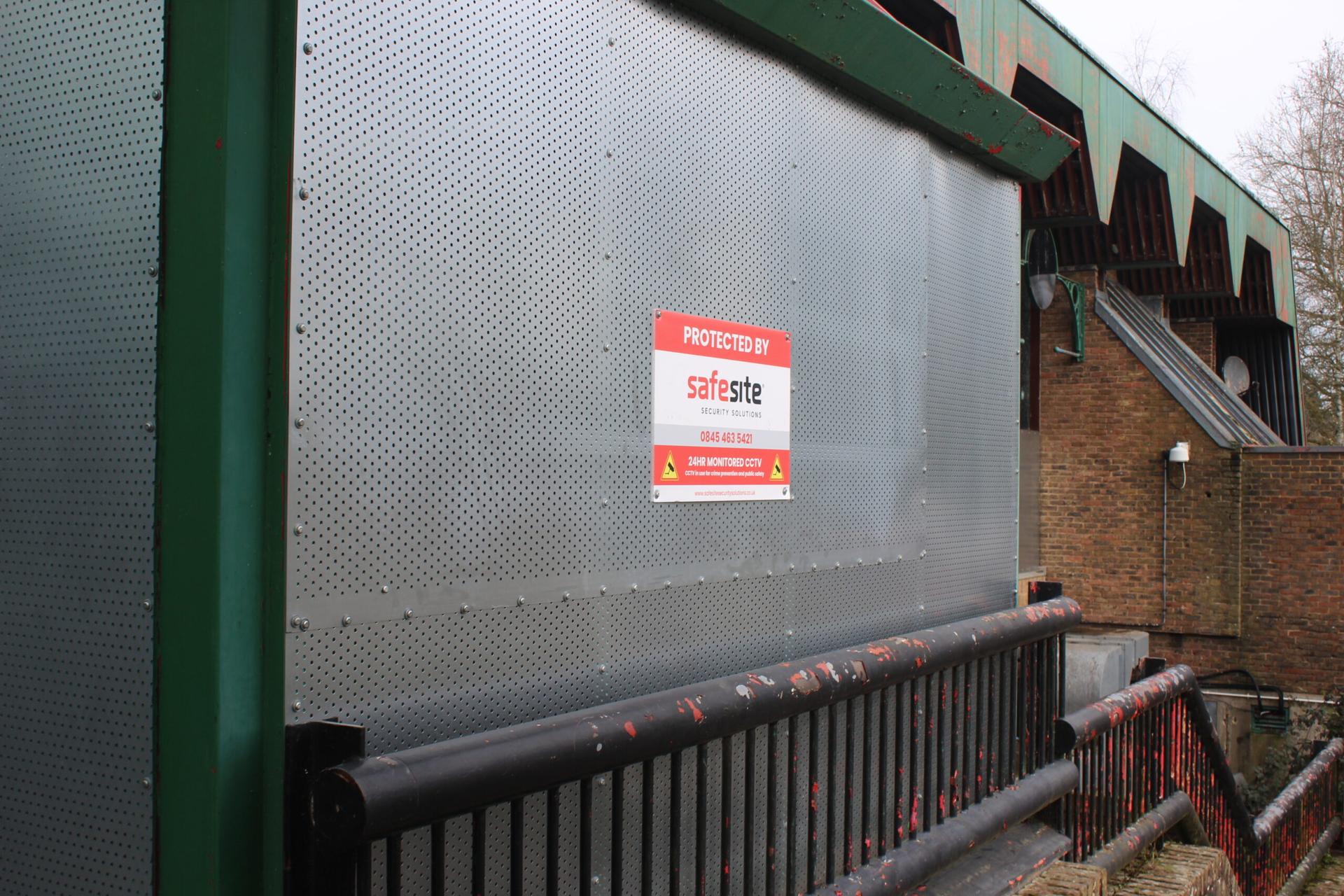
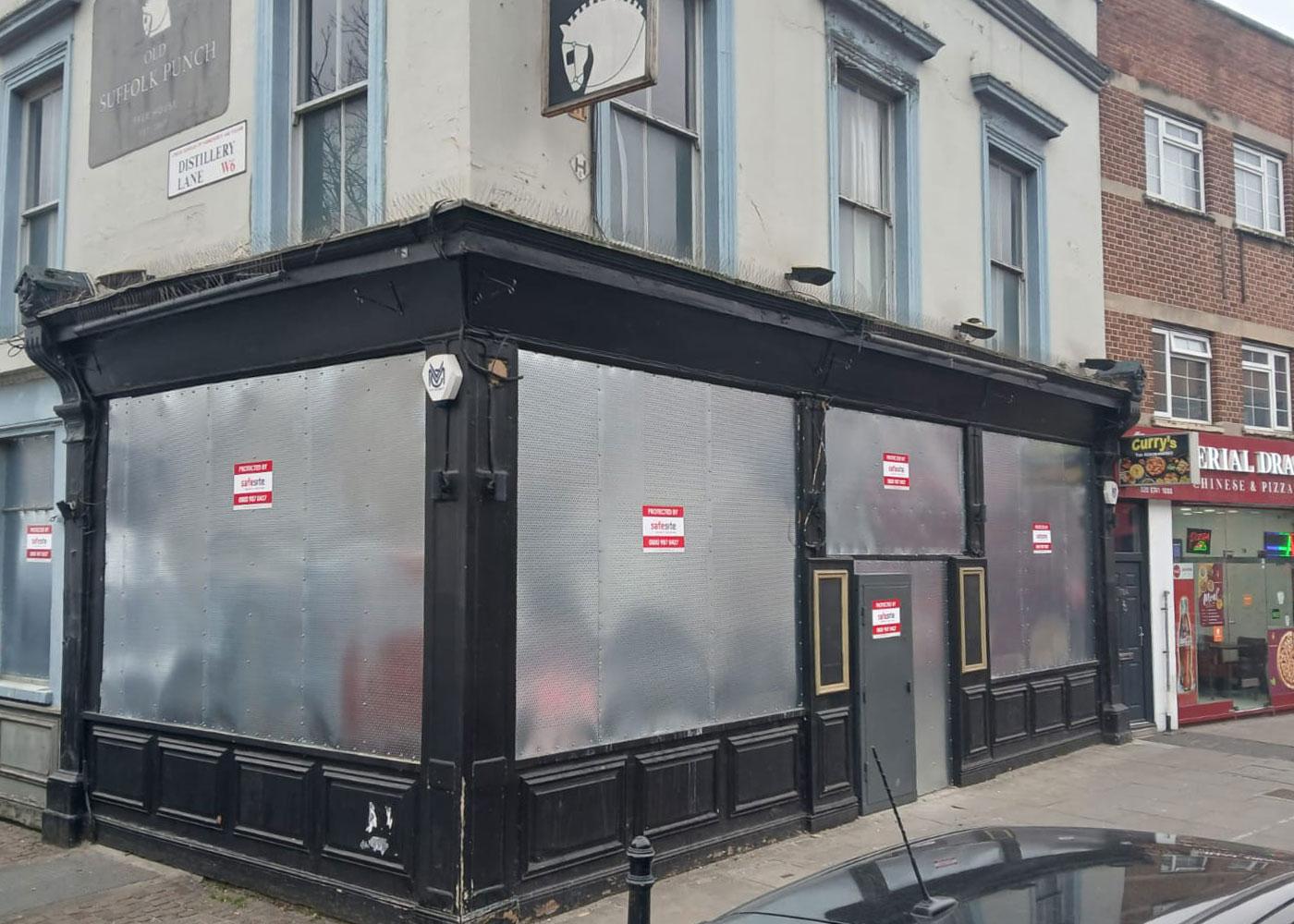
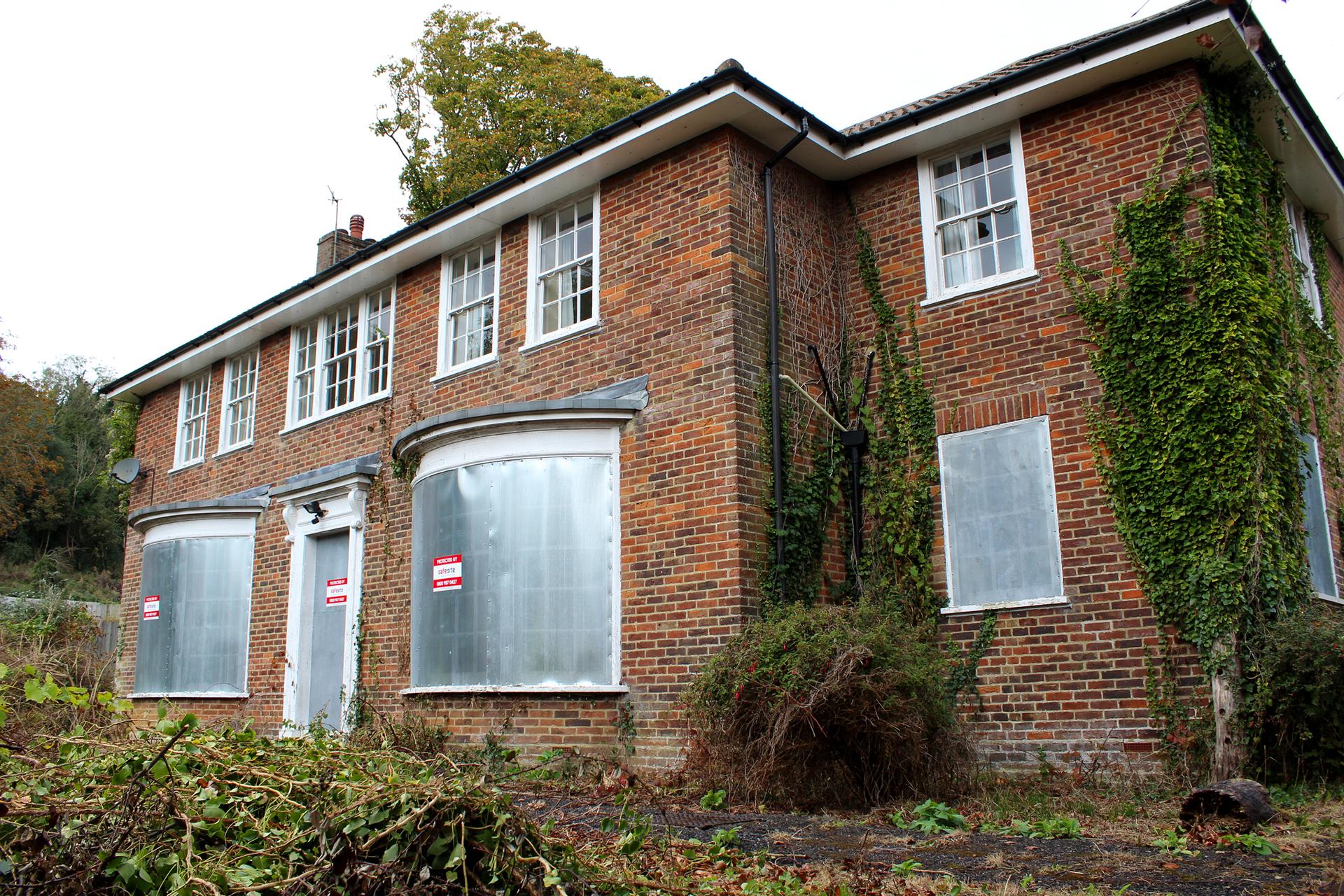
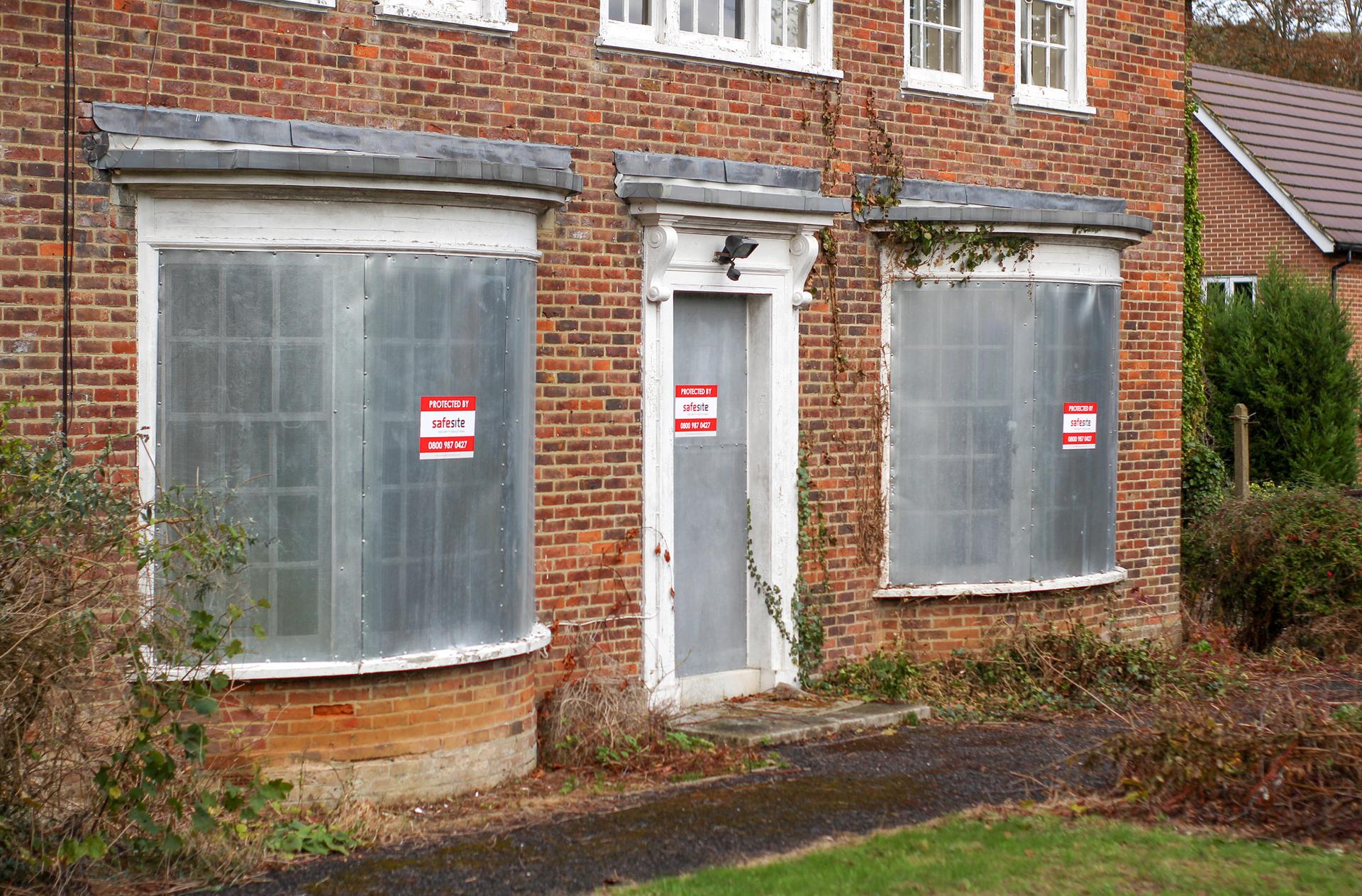
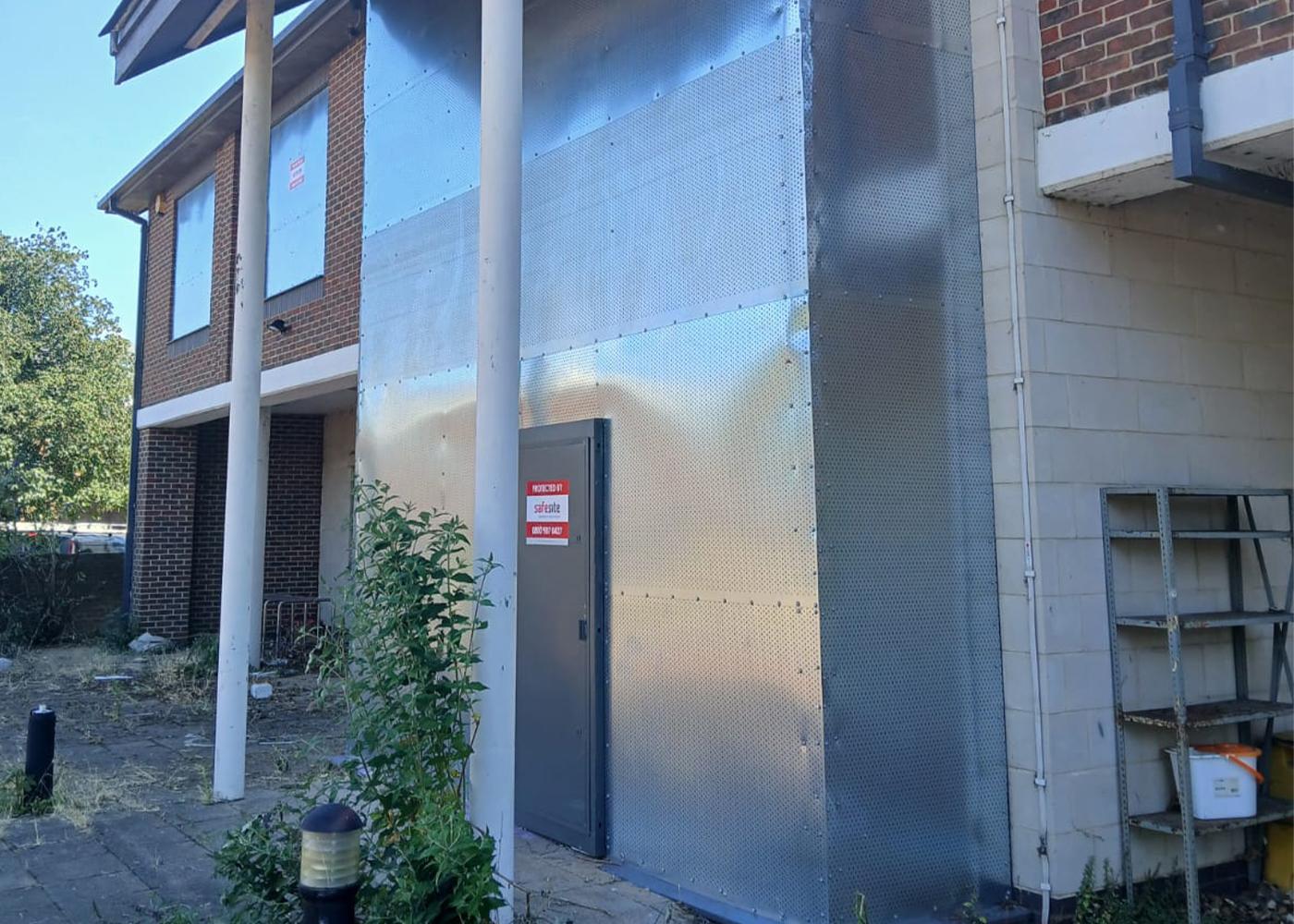
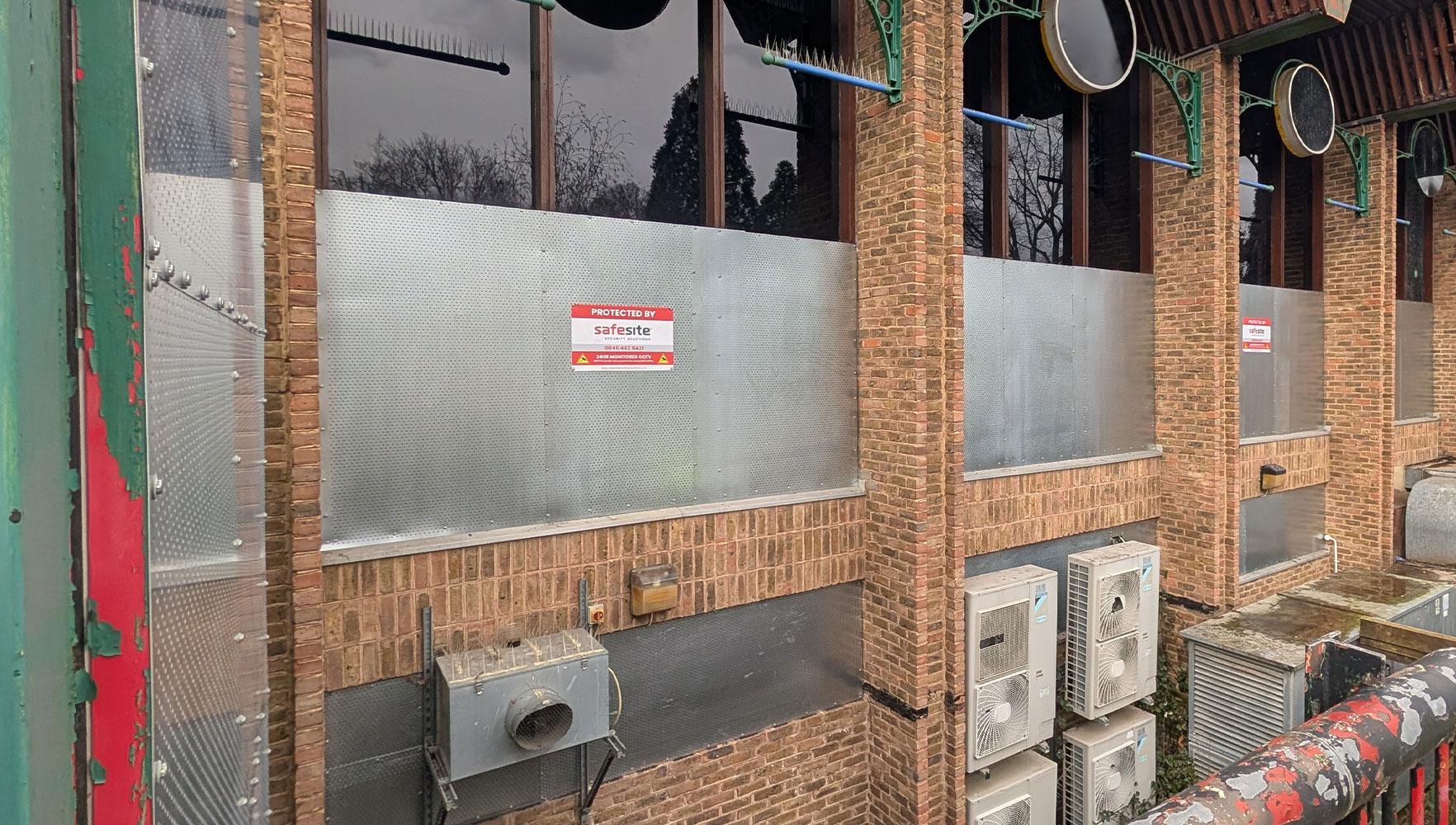
Perforated steel security screens provide robust protection while maintaining visibility, airflow, and natural light. Designed for vacant buildings that require inspections, viewings, or regular access, these screens deliver strong security without fully sealing off the property.
Our Perforated steel security screens are a practical and cost-effective solution for commercial and residential vacant properties.
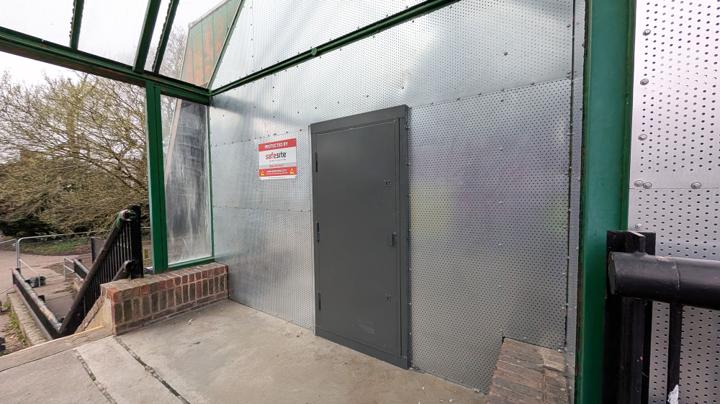
Manufactured from heavy-duty steel and installed using tamper-resistant fixings,
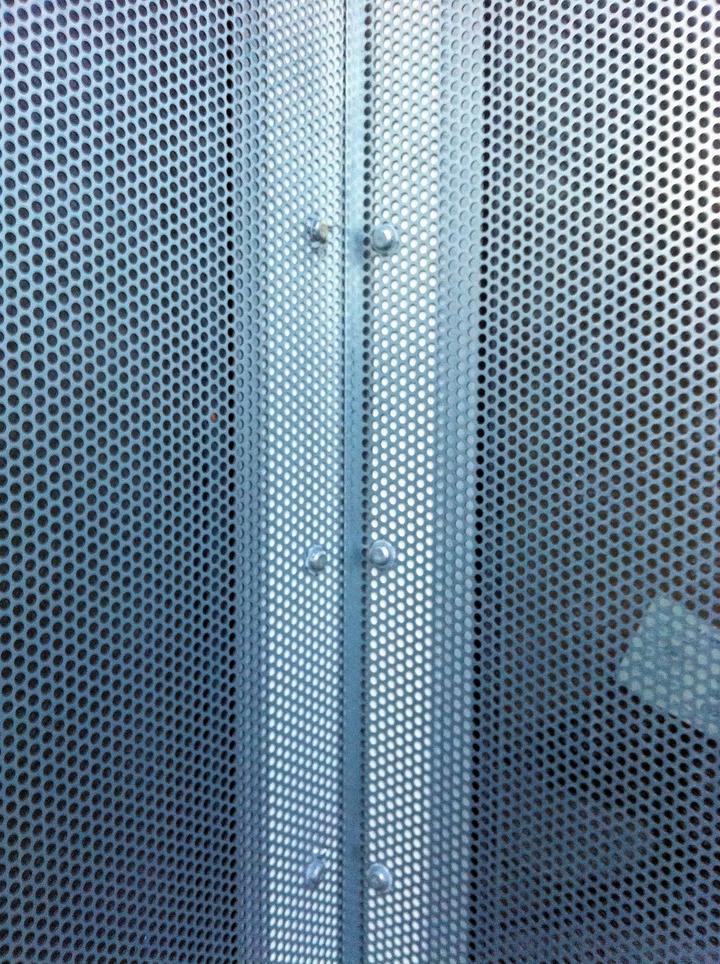
Suited to properties where natural light, internal visibility and airflow are important.
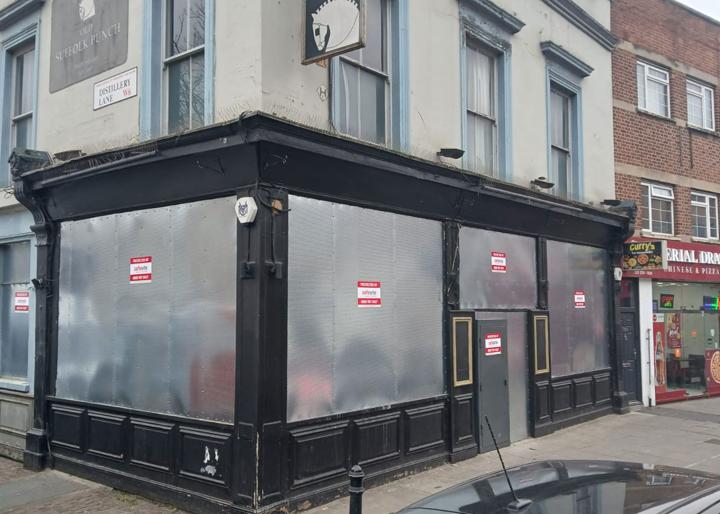
More durable and higher level of security compared to timber boarding.
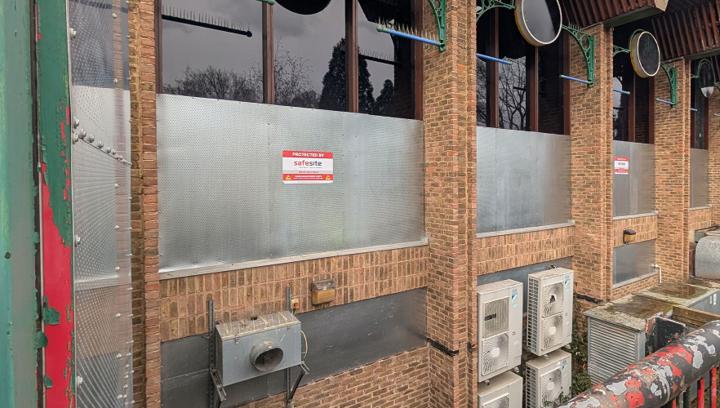
Custom-fitted steel sheets to any windows and doors for your site.
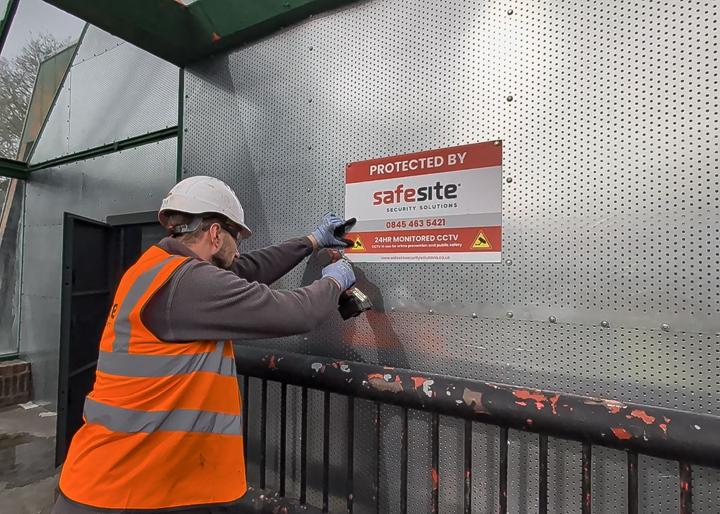
Perforated steel security screens are steel panels with evenly spaced perforations that allow light and visibility while maintaining a strong physical barrier against unauthorised access.
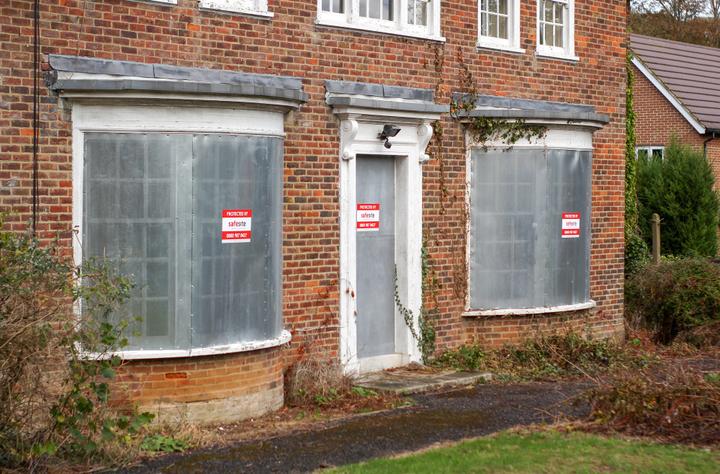
Should you need to secure a site while it is on the property market and open for internal viewings, our 1.5mm thick, fire, hacksaw and crowbar-resistant perforated steel security screens are ideal – buyers almost always see the greatest potential in buildings that are well lit. They are particularly suited to properties where internal visibility and airflow are important.
Purchasing or hiring your security screens from SafeSite Facilities will ensure they are cut to fit your property’s windows and doors exactly and installed as quickly as possible, with the extra measure of anti-tamper screws.
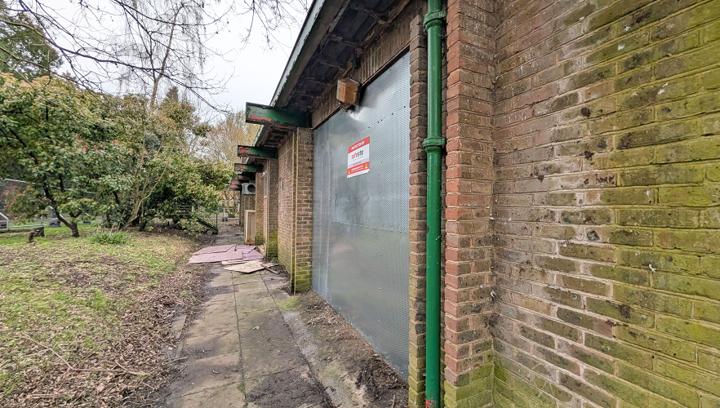
Perforated steel security screens are ideal for:


SafeSite Facilities provides a complete end-to-end service, including site surveys, manufacturing, installation, and removal where required. We can fit security screens at sites located anywhere in the UK. Our experienced team is also on hand to offer friendly, no obligation quotes and advice should you be unsure of your site’s security needs.

UK-wide installation
Short-term hire or purchase options
Fast turnaround times
Fully compliant installation methods
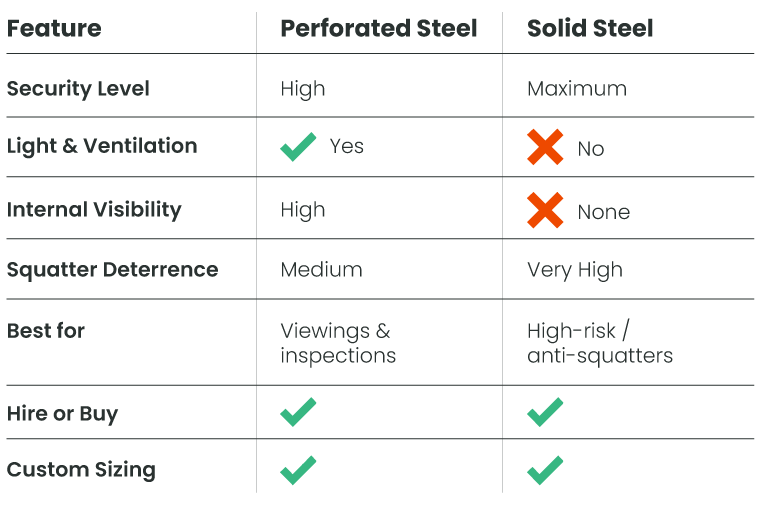
If maximum deterrence and zero visibility are required, solid steel security screens may be more suitable. If light, airflow, and visibility are important, perforated steel screens provide the right balance.




We respond in under 30 mins on average (excl. weekends)
We are sure that you will be happy with our services, but if for any reason you are not, we will be sure to make it right for no extra cost!


Sign up for the latest news & offers from SafeSite